Nissan.com: The Man Who Refused to Give Up His Name
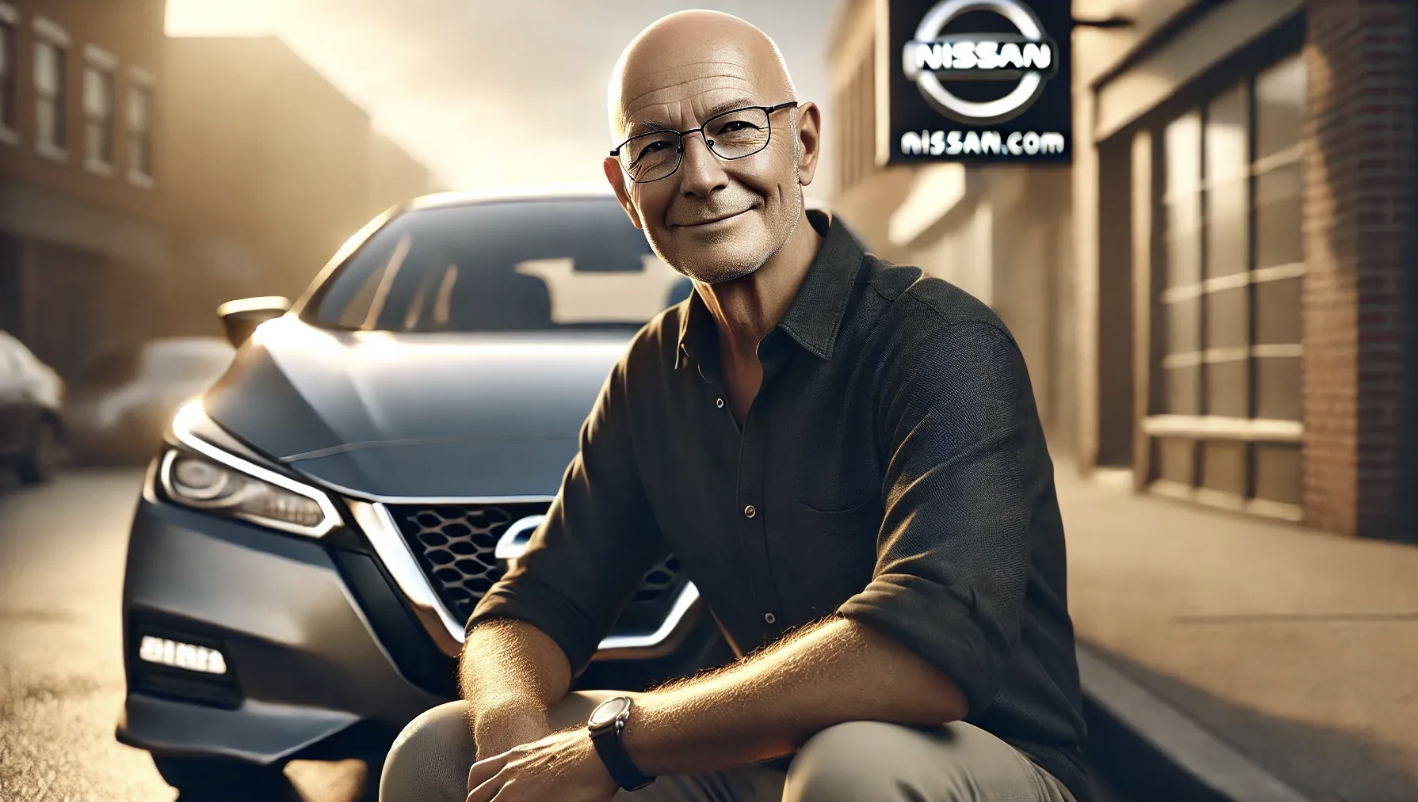
Nissan.com exists today because one man refused to accept the idea that power alone should determine ownership on the internet. The domain wasn’t won in an auction, or quietly transferred behind closed doors. It stayed where it was because its owner believed that registering something first and standing his ground should still mean something, even when the company on the other side of the table was one of the largest automakers in the world. That man was Uzi Nissan.
For years, Nissan Motor Company pursued control of Nissan.com through the courts, convinced that the weight of its brand and the expectations of consumers would eventually force the outcome it wanted. What they encountered instead was a legal system that treated domain names as property, not as marketing assets that could be reassigned once a corporation decided it had arrived late.
Early Domain Registration For the Win
Uzi Nissan registered Nissan.com in 1994 for his business, Nissan Computer Corporation. It reflected his surname and the work he was already doing, not a bet on future brand confusion or an attempt to ride the reputation of an automaker operating in an entirely different industry.
The site itself never pretended to be anything other than what it was. It supported a small computer business, hosted related services, and eventually became a kind of personal archive that reflected Uzi’s interests and projects. It was a simple and honest site.
As the web matured and corporate attention followed, the existence of Nissan.com became uncomfortable for Nissan Motor Company. The domain represented something they didn’t control, and that lack of control stood in contrast to how brands were beginning to think about digital real estate.
When the Fight Became Inevitable
The legal battle that followed was long, expensive, and deeply personal. Nissan Motor Company argued that the domain created confusion and diluted its trademark. Uzi Nissan responded by pointing to the facts that mattered most. He registered the name first, used it in connection with a legitimate business, his surname predated the dispute, and his intentions were consistent from the beginning. Those facts didn’t change over time, even as the pressure increased.
In 2000, a federal judge issued the first meaningful ruling in the fight over Nissan.com, allowing Uzi Nissan to keep the domain he had registered years earlier but restricting how he could use it, particularly around car advertising. Four years later, on August 6, 2004, the Ninth Circuit delivered the final word of the saga, affirming parts of the lower court’s decision, reversing others, and, most notably, declining to strip the domain from its original owner. After half a decade of litigation, the address stayed where it began, a small businessman still holding the keys to one of the internet’s most contested names.
Nissan Motor Company adapted by building its primary online presence with nissan-global.com, (not exactly a banger of a domain), and it ended up being a compromise that quietly underscored the outcome of the case. The exact match .com was never theirs to take.
Why the Case Still Matters
The Nissan.com case settled something fundamental at a moment when the internet was still defining itself. It affirmed that digital property is governed by principles that extend beyond market dominance. Timing, intent, and use mattered more than recognition or revenue.
That precedent shaped how courts approached future domain disputes (UDRP anyone?) and how companies assessed their own expectations around online identity. It sent a clear signal that entitlement was not a substitute for rights, and that arriving late to the web did not entitle anyone to rewrite its early ownership.
For individual domain owners, the outcome on the Nissan.com saga was welcome news. Good faith registration carried real protection, even when challenged by far larger players.
A Domain Worth Defending
Uzi Nissan never sold Nissan.com. He continued to maintain it through years of litigation, appeals, and personal cost, not because it was a bargaining chip, but because he understood its significance. The domain represented more than traffic or branding potential. It represented Uzi’s agency and belief that he shouldn’t let a big corp walk all over him as “the little guy”.
When Uzi passed away in 2020, the domain didn’t disappear or fall into neglect. His family continued to maintain it, preserving the site and its history. That continuity speaks to how deeply the domain was woven into Uzi’s life and values. At one point after his death, Nissan.com was improperly transferred away from the estate, prompting another legal action that resulted in the domain being returned. Even then, ownership held. The domain remained exactly where it had been for decades.

What Nissan.com Would Be Worth Today
For what it’s worth, here’s our take on it. If Nissan.com were available on the open market today, its value would extend far beyond conventional metrics. This is a one word .com tied to a globally recognized name, reinforced by decades of legal validation and cultural recognition. Assets like that are rarely traded, and when they are, they occupy a tier that defies easy comparison.
Comparable one word .com sales connected to global brands suggest a valuation comfortably in the high seven figures, with a credible case for eight figures and beyond given the interested party. That valuation is driven less by current use and more by what the domain represents. Control, clarity, and the elimination of permanent compromise all carry real weight at that level.
The Real Lesson of Nissan.com
The Nissan.com story endures because it captures a moment when the internet’s rules were still being written, and one individual insisted they be written fairly. Uzi Nissan didn’t win by outspending a corporation or outmaneuvering it. He won by being early, being legitimate, and refusing to be moved.
For founders and domain owners, the lesson is understanding the value of what you own before someone else decides they want it more. Domains carry legal, cultural, and strategic weight, often far beyond what they appear to on the surface.
Nissan.com remains online as proof that the internet still remembers who got there first.
Share this post: