What Happened to Lookbook.nu? The Rise of Fashion Influencers Before Instagram
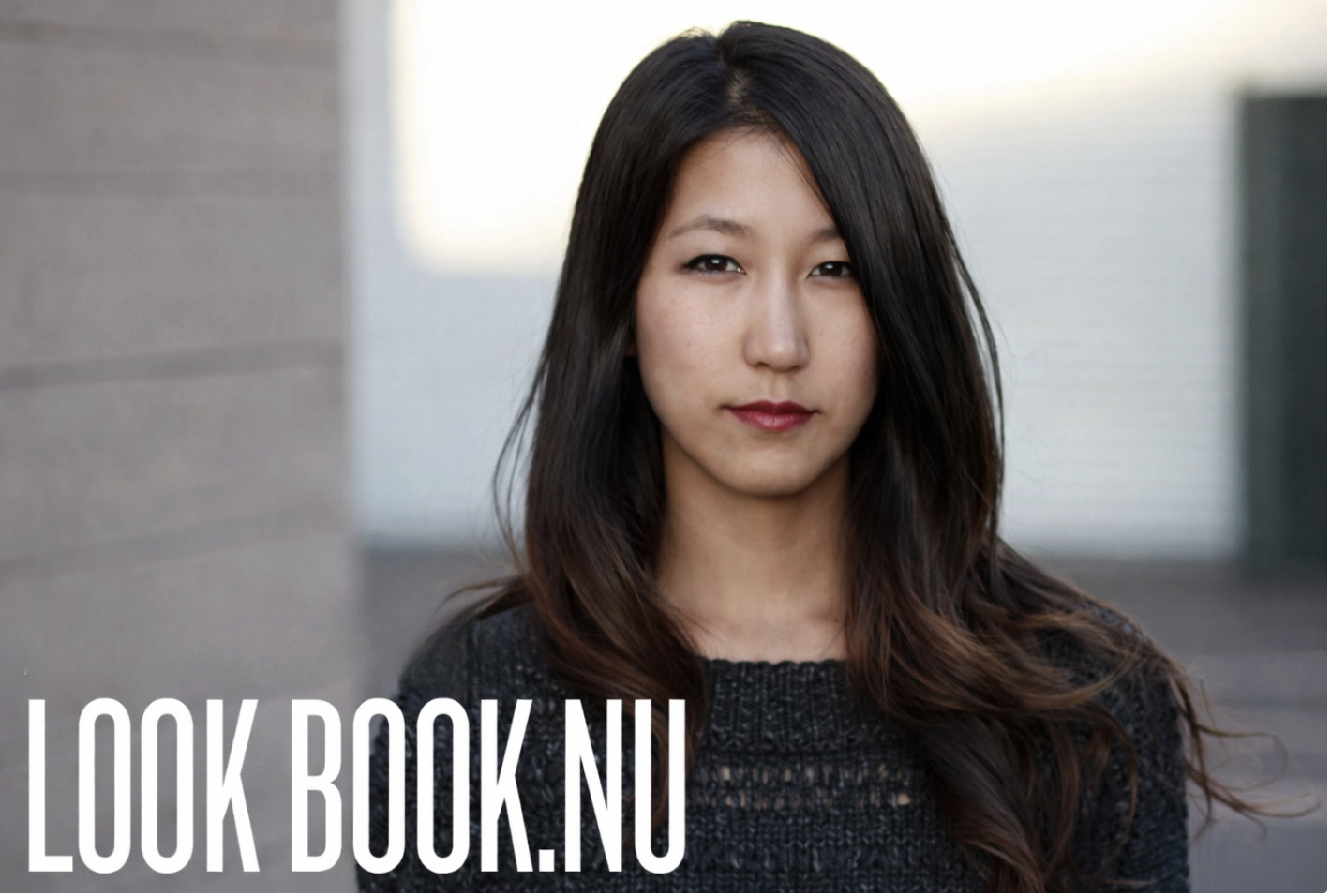
In 2008, Yuri Lee, a 24-year-old founder in San Francisco, launched a fashion community on a domain extension most people had never heard of: Lookbook.nu.
The “.nu” extension belongs to Niue, a small island nation in the South Pacific with a population of roughly 1,600 people, more than 1,500 miles northeast of New Zealand. Lookbook itself, however, was built in a SOMA apartment in San Francisco by Lee and her co-founder Jason Su.
At the time, on-the-street style blogs like The Sartorialist and The Cobrasnake were shaping online fashion culture, but everything felt scattered. Teenagers around the world were taking pictures of their outfits, publishing them to personal blogs and forums, and hoping someone outside their immediate circle noticed.
Lookbook gathered that energy into a single destination and gave it structure.
Within a few years, it would become one of the earliest platforms to scale what we now recognize as fashion influencer culture.
A Fashion Platform That Understood Distribution
On the surface, Lookbook felt like a fashion community. Underneath, it was carefully structured.
Users uploaded full-body “looks,” tagged what they were wearing, and received points known as “hype” from other members. The reputation of Lookbook members was directly correlated with reach and audience growth.
Members could give hearts to their favorite look of the day, become fans of other users, and leave comments. Negative commentary was removed, and hyping remained anonymous, which kept engagement high without turning every interaction into a public spectacle. A forum allowed broader discussions to unfold beyond individual outfit posts.

Early coverage described Lookbook as “the Digg.com for fashion insiders,” and the comparison stuck because it captured the mechanics.
The platform began as invite-only (which added scarcity and exclusivity) and, even after registration expanded, users still watched closely to see whether their looks reached the front page of the site. For many teenagers, it was the first time their personal style was being evaluated by a global audience rather than a small circle of friends.
Real Scale, Before Influencer Was a Career
Lookbook’s growth was substantial.
Within a few years, it had surpassed 50,000 registered members. Later media reports cited 60,000 users and as many as 1.75 million unique monthly visitors, with roughly 150,000 coming from the United Kingdom alone. At the time, UK Vogue’s monthly circulation hovered around 221,000 copies, a comparison that underscored how large the audience had become.
Mainstream outlets, including The Chicago Tribune, Elle Belgium, Status magazine, and the London Evening Standard profiled the platform. Modeling agencies monitored top users, and brands, like American Apparel and Topman, explored collaborations. Smaller retailers used members as models in photo shoots.

One widely cited example involved an 18-year-old student from Colombia whose “Sweet Sugar” look accumulated more than 1,000 hypes, nearly 200 comments, and dozens of hearts. She was not a celebrity or a signed model, just a teenager who understood how to build visibility within the system.
Most users were not being paid, and brand partnerships for everyday creators had not yet solidified into a formal industry. What Lookbook offered was recognition inside a focused, style-driven community. Teenagers from Iceland, Australia, China, Latvia, London, and small American cities uploaded carefully styled photos taken in bedrooms and on sidewalks, experimenting with identity in public long before anyone used the phrase “creator economy.”
When Instagram Took It Global
Instagram launched in 2010, two years after Lookbook, and shifted posting to be fully mobile. Engagement revolved around a follower graph, and distribution expanded quickly.
The behaviors Lookbook had leaned into (outfit photos, public feedback, and curated identities), migrated quickly to Instagram. Eventually, IG layered on monetization infrastructure and scaled those mechanics globally, which resulted in a much larger influencer industry to develop.
Lookbook didn’t disappear overnight, but attention gradually moved. By late September 2023, the site became inaccessible.
But, the brand itself endured and still has an active audience of more than 700,000 followers on Instagram on the handle @lookbook.

Building the Behavior, Missing the .com
Lookbook showed that a global audience would gather around curated personal style online. It attracted press, modeling agencies, and major brands. It reached millions of monthly visitors and validated the concept early.
All of that happened on a country-code domain tied to a 1,600-person island in the South Pacific.
Instagram went on to capture the dominant share of the market as the mechanics matured and monetization scaled. Although the original platform faded, the word “lookbook,” however, never left the vocabulary of fashion. It remains shorthand for curated visual presentation across brand campaigns, seasonal launches, and retail marketing.
The company that operationalized that idea never secured the definitive .com.
As of February 2026, Lookbook.com is represented by Snagged. If you’re ready to build on it, we’re open to conversations.

Share this post: